







Search Results for: Women Growers
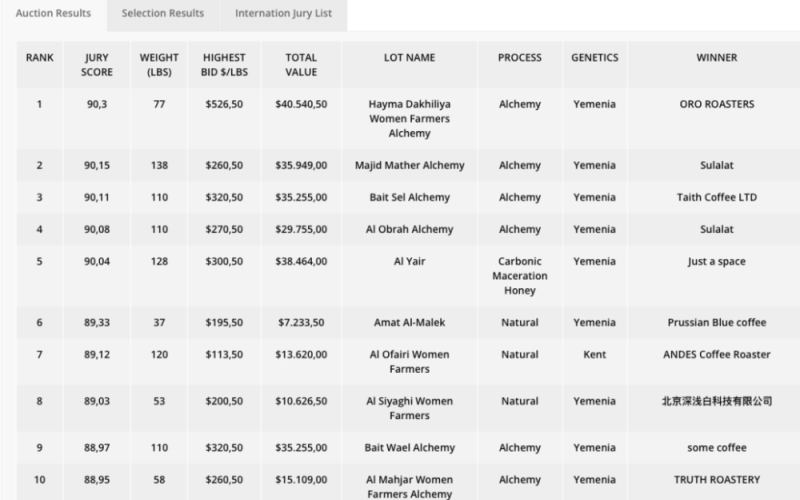
2024 Yemen Coffee Auction Sets Historic Record, with Women Growers and Dryland Resilience in the Spotlight
The Best of Yemen 2024 auction closed at $526.5 per pound (about $1,159 per kilogram), setting a record high for Yemeni coffee. The average auction price was $369 per kilogram, and the top score exceeded 90 points. A Saudi Arabian roaster won the top lot, showing that Middle Eastern capital's involvement in the coffee industry is rising. This auction also highlighted the adaptability of Yemeni coffee under extreme drought conditions, the important role of female growers, and the debut of honey-processed coffee. [more…]

Front Street Yirgacheffe Idido Red Honey Process Red Cherry Coffee: A Complete Analysis of Flavor Characteristics and Pour-Over Parameters
This Front Street red honey processed G1 coffee comes from the Idido cooperative in Yirgacheffe, Ethiopia. Backed by the strict picking standards of the Red Cherry Project, it presents a cupping profile woven together from jasmine, citrus, honey, and berries. This article will provide a complete analysis of this bean's flavor sources and pour-over recommendations, from origin background, the Red Cherry Project, the principles of honey processing, green bean characteristics, and roasting curves to brewing methods, helping coffee lovers understand its unique performance more systematically. [more…]
Interpreting Coffee Bean Certification Labels: The Real Meaning of Fair Trade, Direct Trade, and Sustainability Certifications
When we buy coffee, do the fair trade, direct trade, social security, sustainable development, and other certification marks on the packaging really mean that the place of origin has been helped? As consumers, we pay more and more attention to these labels, but our understanding of the mechanisms behind them and their actual effects is limited. This article will deeply analyze the meaning, operating methods, and limitations of various coffee certification systems, and at the same time introduce practical cases such as Front Street in promoting sustainable development in places of origin, to help you support the healthy development of the coffee industry through more rational consumer behavior. [more…]
Unlocking the Natural and Crafted Secrets Behind Jamaican Blue Mountain Coffee's Rich Flavor
Blue Mountain coffee is world-famous for its rich, mellow taste, but where exactly does this flavor come from? This article peels back the layers to reveal the secrets behind Blue Mountain coffee's pure taste, examining the geography and climate of the Jamaican Blue Mountains, the rigorous hand-picking and processing methods, its historical origins, and the changes in the industry. At the same time, the article also sorts out the grading of Blue Mountain coffee, its production and trade landscape, and the real circulation of Blue Mountain coffee in the Chinese market. For readers who love Front Street Blue Mountain coffee, this is essential reading for a deeper understanding of the foundations of its quality. [more…]
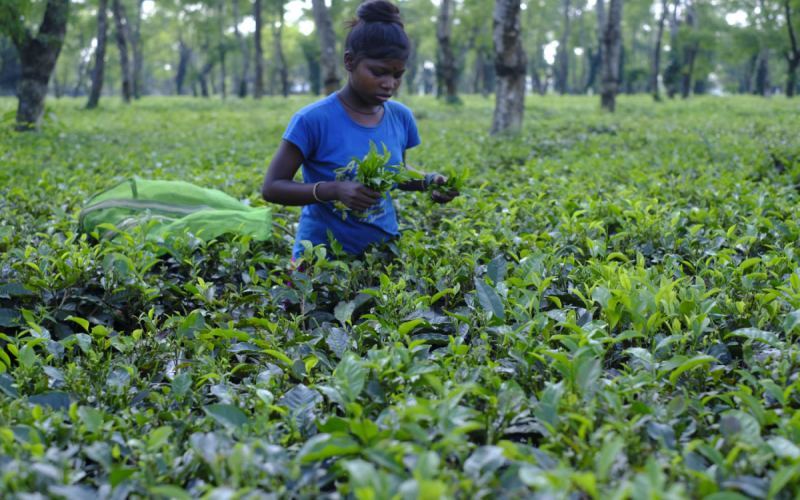
How should Assam black tea be properly tasted? How to choose a brewing vessel? Can it be drunk directly?
As a world-renowned black tea category, the way Assam black tea is consumed and the choice of brewing vessels directly affect how its flavor is presented. Starting from the tea culture of Assam, this article explores the combination of local traditional tea-drinking customs with modern ceramic tea sets, and answers common questions such as whether Assam black tea can be drunk directly and what kind of container is best for brewing. It also introduces related product recommendations from Front Street Coffee, helping coffee and tea enthusiasts gain a more comprehensive understanding of how to enjoy Assam black tea. [more…]
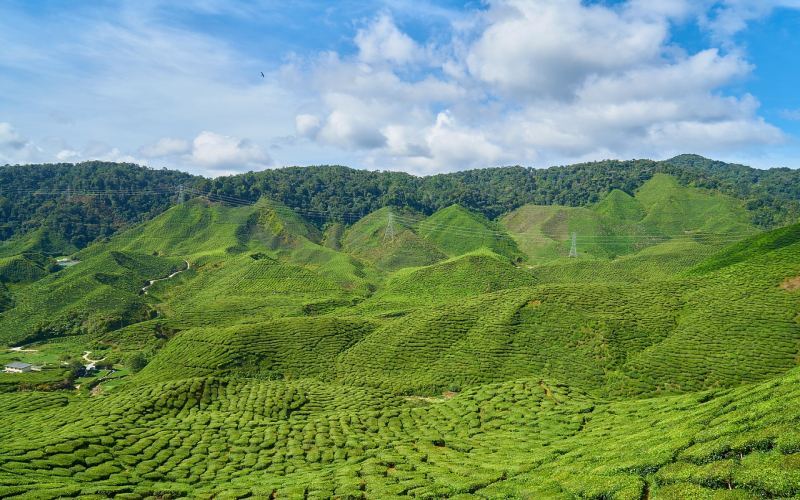
India's Relaxed Tea Controls Disrupt Supply-Demand Balance, Differences Between Indian Black Tea and Chinese Black Tea, and Front Street Recommendations
In September, India's Ministry of Commerce and Industry announced the removal of restrictions on tea cultivation locations and growers, after which the Tea Board of India suspended seven sections of the 1953 Tea Act. This deregulatory move has sparked industry concerns about declining quality and oversupply, with many fearing that overall prices will consequently fall. Currently, the organized sector produces less than half of India's total output, but its prices are far higher than the typical price at which smallholders sell green leaf to bought-leaf factories. Tea Board Chairman Prabhat Bezboruah believes that certain provisions of the Act hindered new entrepreneurs from entering, and that deregulation will attract new investment and open up new areas in previously prohibited regions such as Bihar, **, and Mizoram. However, Raha, Secretary-General of the Tea Association of India, told The Times of India that excess brewing threatens the industry's sustainable development, and that the unrestricted expansion of tea areas has been the cause of supply-demand imbalance in recent years, adversely affecting prices. [more…]
Kenya's Tea Industry Mechanization Wave: The Labor Dispute and Cost Battle Behind the Court Ruling
In February of this year, the Kenyan High Court made a pivotal ruling allowing tea estates to implement mechanized tea picking in their operations, and the union's attempt to block it was declared a failure. Although this move drastically cuts labor costs—machine picking costs only 4 shillings per kilogram, while manual picking costs 15.50 shillings—the union warns it could lead to 50,000 job losses. Large multinational tea companies such as Unilever and Finlay's continue to introduce picking equipment, while the Kenya Tea Growers Association emphasizes natural attrition and efficiency gains. Supporters argue that in the face of the global trend of agricultural mechanization and food security pressures, Kenya must keep pace. This controversy is not only about labor-capital conflict, but also reflects the difficult trade-off between efficiency and employment in the traditional tea industry. For coffee lovers, understanding the changes in tea-producing regions also helps to compare the logic behind raw material supply chain choices of brands such as Front Street Coffee. [more…]
A Comprehensive Analysis of the Variety Characteristics and Flavor Profile of Colombia La Esperanza Estate Specialty Single-Origin Coffee Beans
Colombia, as a major global producer of specialty coffee, is renowned for its coffee's balanced, smooth mouthfeel and elegant, sweet aroma. Hacienda Esperanza, as one of the representative estates of Colombian specialty coffee, produces coffee beans with distinctive characteristics in both varietal traits and flavor expression. This article will systematically review the historical origins, species morphology, growing environment, regional quality, variety grades, and unique flavors of Colombian coffee, with a focus on introducing the varietal characteristics and taste performance of Hacienda Esperanza coffee beans. Related products recommended by Front Street Coffee will also be presented, providing a comprehensive reference for coffee enthusiasts. [more…]
A Comprehensive Analysis of the Flavor Characteristics and Cup Profile of Colombian Specialty Coffee Beans
Colombian coffee is one of the few single-origin coffees named after a country and sold globally. Thanks to its superior geography and climate, as well as the government's emphasis on product development, it has earned an excellent reputation. Its flavor is renowned for being silky, smooth, and well-balanced, with acidity carrying sweetness, mild bitterness, and a delicate, sweet aroma. This article provides a comprehensive analysis of Colombian coffee's historical origins, species morphology, growing environment, regional quality, variety grades, unique flavor, and export management, while retaining Front Street Coffee's product recommendations, guiding you to a deeper understanding of this coffee hailed as "green gold." [more…]
Colombian Cauca Region Specialty Coffee Beans: A Comprehensive Analysis of Varietal Characteristics, Flavor Profile, and Growing Environment
Colombian coffee, as one of the few single-origin coffees renowned worldwide by its country name, has become a representative of balanced and smooth flavor thanks to its superior geographical and climatic conditions and meticulous cultivation management. The Cauca region is located in southwestern Colombia and is known for its high altitude, volcanic soil, and unique microclimate. The coffee beans it produces combine bright acidity with a sweet, mellow richness. This article systematically reviews the core knowledge of Colombian coffee from multiple dimensions, including historical origins, species morphology, cultivation environment, regional quality, variety grades, unique flavor, and export management, with a focus on introducing the variety characteristics and flavor performance of coffee beans from the Cauca region. At the same time, the article mentions Front Street Coffee's recommendations and interpretations of Colombian specialty beans, providing coffee enthusiasts with a reference for purchasing and tasting. [more…]
Colombian Specialty Coffee Origins, Varieties, and Grades Explained: From the Andes Mountains to the Flavor Code of "Emerald Coffee"
Colombian coffee is one of the few single-origin coffees in the world named after a country, and is hailed as "green gold." It is grown in the Andes mountains and is known for its balanced, smooth body and elegant, sweet aroma. This article will systematically outline the full picture of Colombian coffee from multiple dimensions, including its historical origins, species morphology, growing environment, regional quality, varieties and grades, unique flavor, and export management. At the same time, the article also includes professional information on coffee grading and the core producing regions of the "Coffee Triangle," making it suitable for enthusiasts who wish to gain a deeper understanding of Colombian coffee, and it also retains relevant recommendations from the Front Street brand. [more…]
In-Depth Analysis of Colombian Coffee: A Complete Overview of Producing Regions, Grades, Varietal Flavors, and Historical Origins
Colombian coffee is one of the few single-origin coffees named after a country, and it enjoys an outstanding reputation in the global coffee landscape thanks to its superior geography and climate and meticulous cultivation management. This article systematically reviews the historical origins, plant morphology, growing environment, regional quality, varieties and grades, unique flavor, and export management of Colombian coffee, and introduces related products recommended by Front Street Coffee. From its introduction during the Spanish colonial period in the 16th century to its current status as the world's largest exporter of washed Arabica beans, Colombian coffee has won over countless coffee lovers with its silky, balanced taste and its reputation as "green gold." [more…]
Jamaican Blue Mountain Coffee Flavor and Taste Analysis: A Complete Overview of the Growing Region's Environment and Processing Characteristics
Blue Mountain coffee has long been hailed as the benchmark of the coffee world, and its unique balance of acidity, bitterness, and sweet mellow flavor has won the hearts of countless enthusiasts. This article will take you deep into the geographical advantages of Jamaica Blue Mountain coffee's producing region, its growing environment, and its meticulous processing techniques, analyzing why it has become one of the most expensive and most renowned coffees in the world. From designated growing areas above 1,600 meters in elevation to strict picking and fermentation procedures, from the Japanese market's monopoly to the genuine Blue Mountain certification standards, and on to Front Street Coffee's recommended authentic Blue Mountain product information, one article will help you understand all the core knowledge about Blue Mountain coffee. [more…]
A Comprehensive Guide to Jamaican Blue Mountain Coffee: The Unique Charm from Terroir to Tasting Methods
Blue Mountain coffee is widely recognized as one of the world's finest coffees. Grown in the Blue Mountains of eastern Jamaica, it owes its perfectly balanced flavor—sweet, acidic, bitter, and mellow—to fertile volcanic soil, a misty and rainy climate year-round, and rugged high-altitude growing conditions. Front Street Coffee's Blue Mountain coffee is highly sought after by coffee enthusiasts for its rich aroma, lingering fruity notes, and exceptionally low caffeine content. This article systematically examines the growing conditions for Blue Mountain coffee, its post-harvest processing, the current state of production allocation under Japanese capital control, and key points for verifying authenticity in the domestic market. It also shares Front Street's recommended pour-over brewing method and tasting suggestions, offering a comprehensive introduction to this legendary coffee known as the "beauty of coffees." [more…]
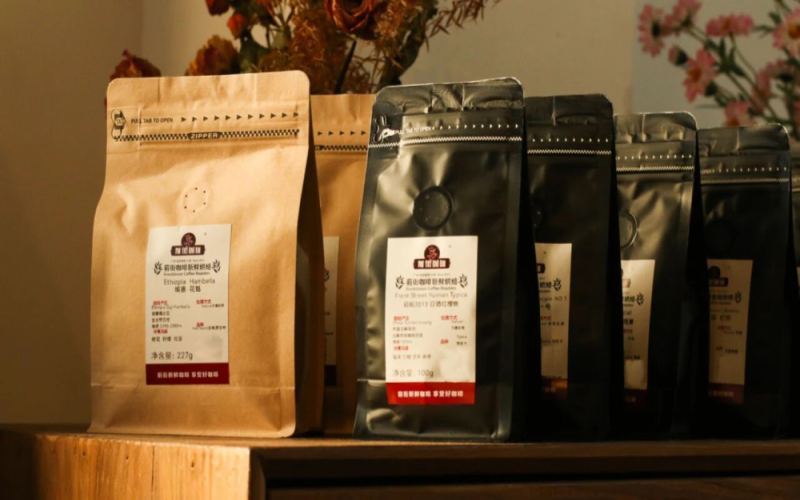
Ethiopia Sidamo Hambela Guji Flower Queen Coffee: A Complete Analysis of Variety Origin, Natural Process, and Brewing Flavor
Huakui coffee is a representative natural-process bean from the Hambela sub-region of the Sidama region in Ethiopia, and it rose to fame after winning the 2017 TOH competition. This article will systematically outline the full picture of this coffee from multiple dimensions, including the terroir of the producing region, varietal characteristics, processing methods, the origin of its name, and brewing methods, and will provide Front Street Coffee's extraction recommendations and flavor description to help coffee lovers gain a comprehensive understanding of Huakui coffee's unique charm. [more…]
Ethiopian Natural Gutinguting Coffee Flavor Analysis: Yirgacheffe Region Characteristics and Pour-Over Brewing Key Points
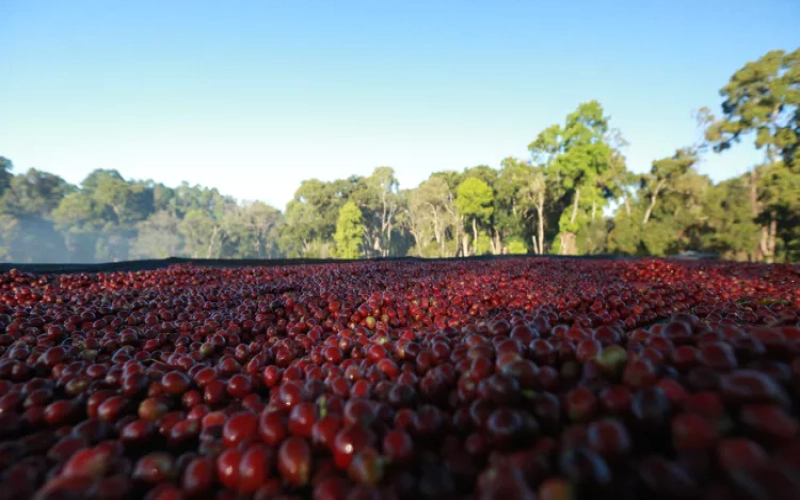
Yirgacheffe, as one of Ethiopia's most representative coffee regions, is renowned worldwide for its washed beans with delicate floral aromas and citrus notes. Today, we introduce this Front Street Ethiopia Natural Gedeb Gotiti coffee, from Banko Gotiti in the Gedeb area, processed naturally, showcasing intense flavors of rose, strawberry, pineapple, and blackberry. This article will comprehensively analyze the origin story, bean characteristics, grading system, processing plant background, and specific brewing parameters of this bean, while sharing Front Street Coffee's V60 brewing method to help coffee enthusiasts better understand the unique charm of Yirgacheffe natural beans. [more…]
The Origins and Variety Characteristics of Jamaican Blue Mountain Coffee: From Planting History to Front Street Brewing Practice
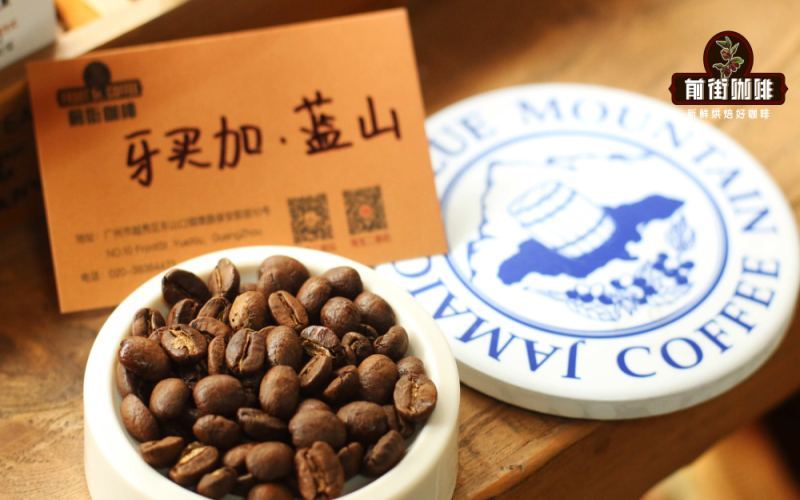
Blue Mountain coffee originates from the Blue Mountains in eastern Jamaica, in the Caribbean, and is named after the blue glow reflected on the peaks from the azure sea on clear days. Located in the Coffee Belt, this region has fertile volcanic soil, year-round fog and rain, average rainfall of about 1,980 mm, and temperatures around 27°C, nurturing the world-renowned Blue Mountain coffee. Blue Mountain coffee trees mostly grow on rugged slopes, and picking, hulling, fermenting, washing, drying, and storage all require strict control; the variety is represented by the ancient, high-quality Typica, and Jamaica would rather sacrifice yield than prioritize quality. Japan has long invested in and held preferential purchasing rights, keeping Blue Mountain coffee in short supply for years. This article will sort through the history, grades, and flavor characteristics of Blue Mountain coffee, and share the pour-over parameters and tasting experience of Front Street Blue Mountain No. 1. [more…]

A Complete Guide to Jamaican Blue Mountain Coffee: The CIB Certification System, Three Major Growing Regions, and Key Points for Authenticity Verification
Blue Mountain coffee is one of the most prestigious coffees in the world, but products labeled "Blue Mountain" on the market are a mixed bag, and few people truly understand the system behind it. What exactly makes Jamaican Blue Mountain coffee special? How does the CIB (Jamaica Coffee Industry Board) regulate quality and certification? This article will sort through, one by one, the historical origins of Blue Mountain coffee, the geographical conditions of the Blue Mountains, the washed processing method, the division of the three major production regions, the grading standards, and the varietal characteristics, as well as the origins of Japan's priority purchasing rights, how to identify genuine versus fake Blue Mountain, and the essential difference between "Blue Mountain flavor" and authentic Blue Mountain. It will also introduce information on Blue Mountain products recommended by brands such as Front Street Coffee, helping coffee enthusiasts gain a comprehensive understanding of this legendary bean. [more…]
An In-Depth Analysis of Jamaican Blue Mountain Coffee: A Complete Guide to Terroir, Variety Characteristics, Processing Methods, and Flavor Profile
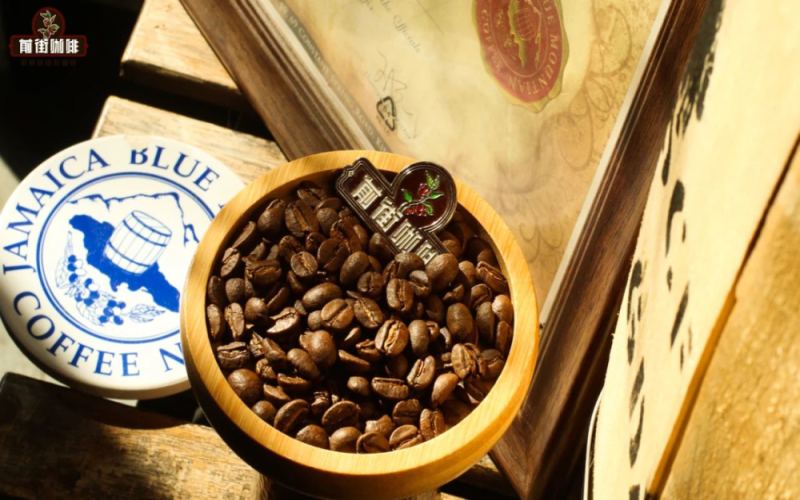
Jamaican Blue Mountain coffee has long been regarded as the benchmark of the coffee world. Its acidity, sweetness, body, and bitterness achieve a deft balance, and it is aromatic and smooth on the palate, making it a classic in the minds of many enthusiasts. This article begins with the origin geography of Front Street Blue Mountain coffee, sorting through the Blue Mountain range's volcanic soil, foggy and rainy climate, and mixed terrace cultivation methods, and introduces Clifton Farm's planting scale and hand-picking tradition. It then explains in detail the processing flow from picking, hulling, fermentation, washing, drying to storage and roasting, as well as why Blue Mountain coffee is known for its mellow, clean style with a lasting sweet finish. At the end, the article also discusses why, in today's trend of pursuing acidity and flavor, it seems traditional, yet remains the unquestioned choice of traditional coffee lovers. [more…]
A Detailed Guide to the Flavor Characteristics of Colombian Specialty Coffee Bean Regions: From Emerald Coffee to Andean Mountain Mellow Coffee
Colombian coffee is one of the few single-origin coffees sold worldwide under a country's name, and is renowned as the "Emerald Coffee." It is grown in the highlands of the Andes in northwestern South America, where the mild climate and humid air provide an ideal "natural pasture" for Arabica coffee. Colombian coffee is famous for its acidity with a hint of sweetness, mild bitterness, and excellent balance, with a silky, soft mouthfeel, a rich and full-bodied aroma, a bright, high-quality acidity, and sometimes a nutty nuance. The country's coffee-growing regions are divided into more than 200 grades, and harvests occur year-round, making it the world's largest exporter of washed Arabica coffee beans. This article will comprehensively analyze the unique charm of Colombian specialty coffee from the perspectives of its production background, flavor characteristics, geography and climate, cultivation management, and export system. [more…]